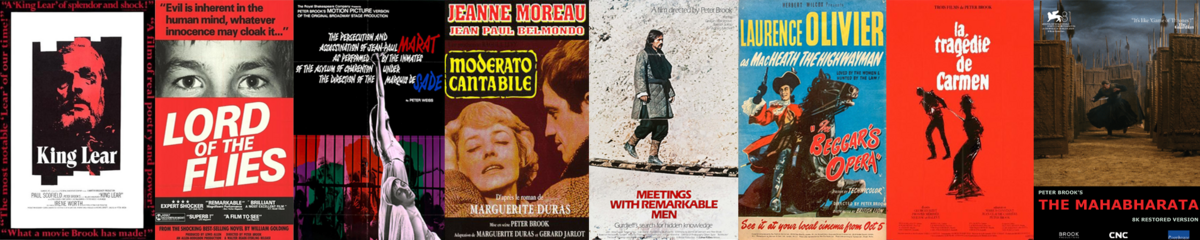
Peter Brook’s film career, while limited, offers a fascinating exploration of his interest in human nature, spirituality, and existential questions. His first film, The Beggar’s Opera (1953), was an energetic adaptation of John Gay’s play, blending modern sensibilities with the classic work.
In 1960, with Moderato Cantabile, Brook’s style began to emerge more distinctly. Based on Marguerite Duras’ novel, it’s a quiet, introspective film about desire and repression. Brook followed this in 1963 with The Lord of the Flies, a stark and raw take on William Golding’s novel about boys stranded on an island.
Brook’s 1967 film Marat/Sade is an experimental piece that blends art, politics, and madness, set in a French asylum. Tell Me Lies (1968) was a bold response to the political climate of the time, particularly the Vietnam War, using fragmented imagery to confront uncomfortable truths.
In 1971, Brook adapted King Lear in a minimalist style, with Paul Scofield’s performance at its core. Meetings with Remarkable Men (1979), based on G.I. Gurdjieff’s memoirs, is a more spiritual exploration, delving into self-discovery and enlightenment.
Brook’s last film, The Mahabharata (1989), brought the Indian epic to the screen, focusing on its deep philosophical themes.
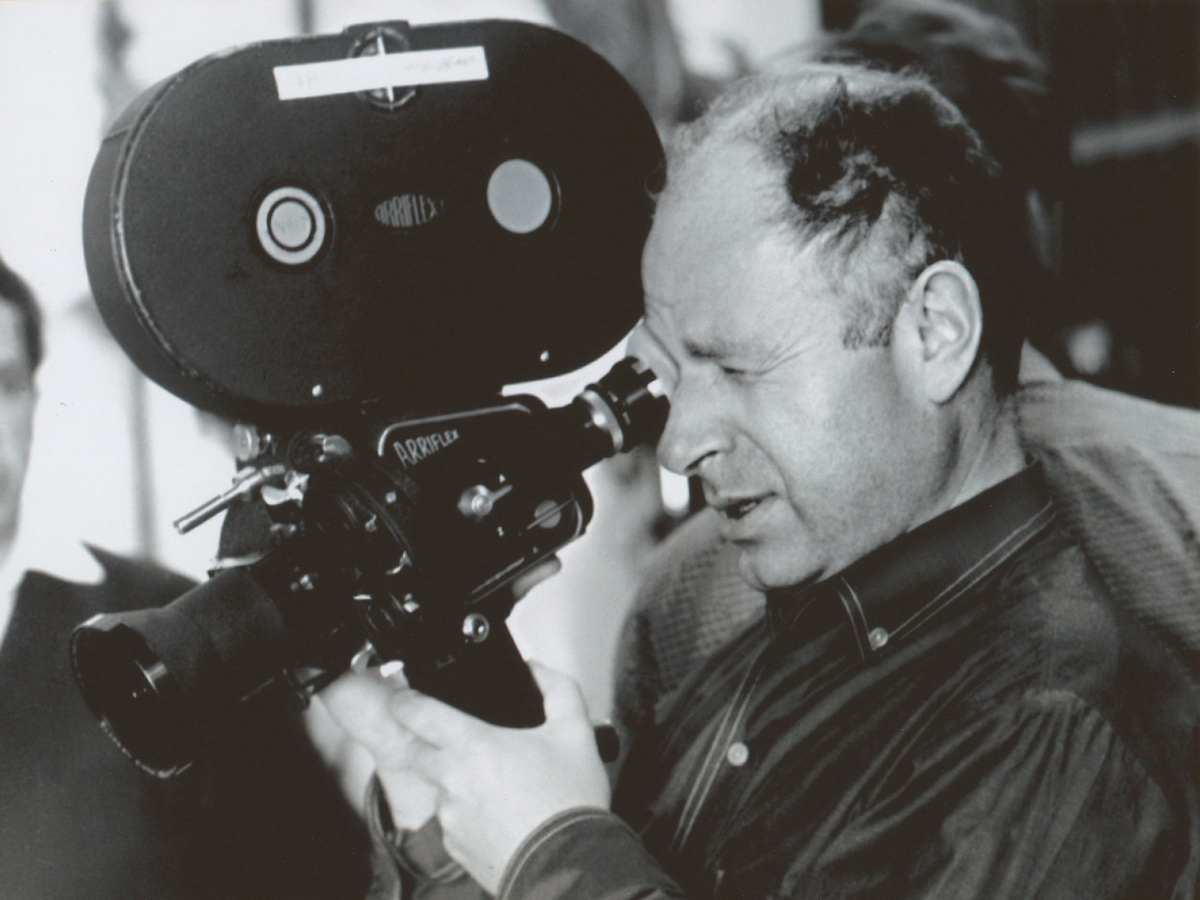
Though Brook directed only a few films, each one reflects his signature approach - thoughtful, meditative, and focused on the complexities of the human experience.
© Evening Standard